We accept CDCP
Stop Small Cavities Before They Become Root Canals
A small cavity might not seem urgent. It may not even hurt yet. But left untreated, that tiny spot of decay can quietly grow into something far more serious. At Cariboo Choice Dental, we help patients in Williams Lake stop small cavities before they become root canals — and before they become costly, uncomfortable ordeals. Early action is always the smarter choice.
Why Small Cavities Are More Dangerous Than They Look
Tooth decay does not pause between dental visits. It progresses steadily through layers of your tooth. What starts as a minor surface cavity can reach the inner pulp — the nerve — within months or years. Once bacteria reach the pulp, a root canal becomes necessary.
Many people feel no pain in the early stages of decay. That silence is misleading. By the time a tooth hurts, the damage is already advanced. This is why routine checkups matter so much in Williams Lake, where access to specialist care can mean longer wait times.
Early cavities are treated with simple, affordable dental fillings. A root canal involves removing infected pulp, sealing the canal, and often placing a crown. The difference in time, cost, and recovery is significant. Catching decay early keeps your treatment simple.
How to Stop Small Cavities Before They Become Root Canals in Williams Lake
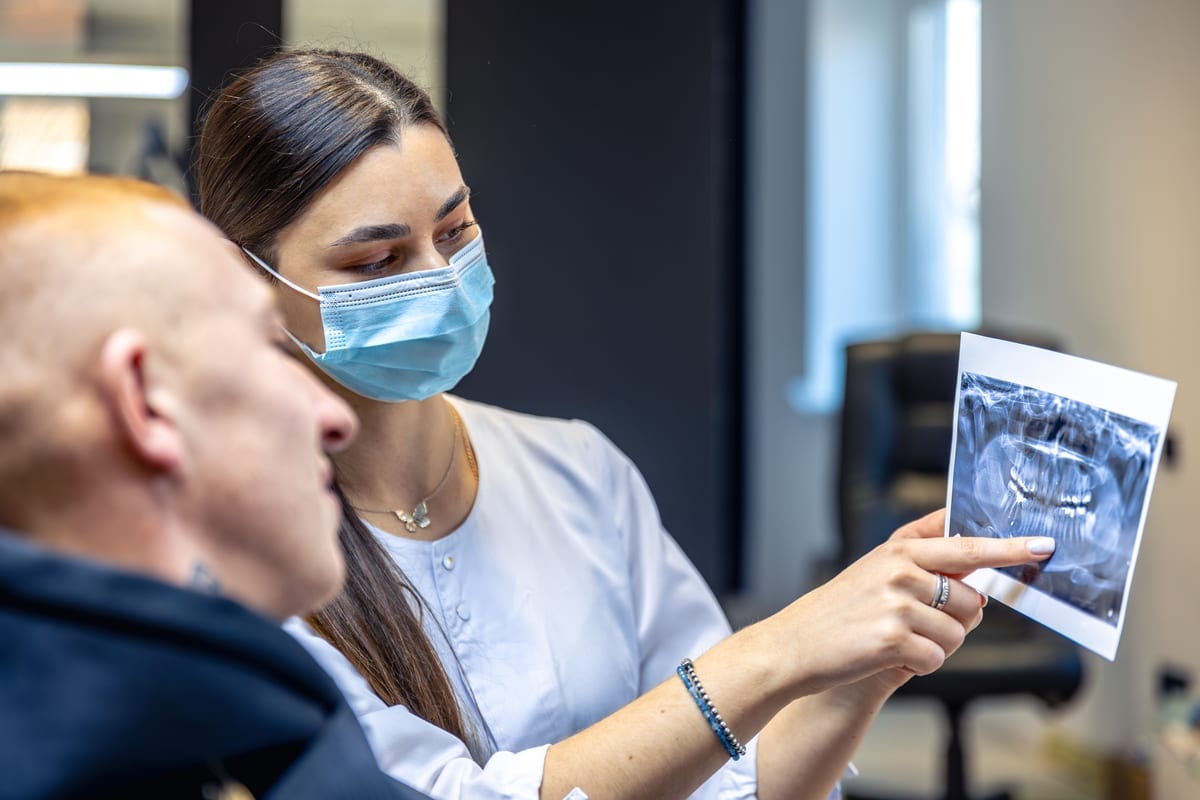
Prevention starts with consistent professional care. Our dental team recommends checkups every six months. During these visits, we use X-rays and visual exams to spot decay at its earliest stage. Catching a cavity when it is just beginning changes everything.
At home, your daily habits play a major role. Brushing twice daily with fluoride toothpaste removes plaque before it hardens. Flossing clears the spaces between teeth where cavities often start. These simple steps protect your teeth between visits.
Here are the most effective strategies to prevent small cavities from advancing:
- Schedule biannual professional cleanings and exams
- Brush with fluoride toothpaste twice a day
- Floss at least once daily, especially before bed
- Drink water with fluoride to strengthen enamel
- Limit sugary and acidic foods that feed decay-causing bacteria
- Ask about dental sealants to protect back teeth
Dental sealants are a highly effective preventive tool. We apply a thin protective coating to the chewing surfaces of back teeth. This shields the deep grooves where food and bacteria collect most easily.
Preventive Treatments That Block Decay Early
Our team offers several treatments designed to stop decay before it progresses. Each one is far less involved than restorative work. Starting with prevention is always the right call.
Fluoride treatments strengthen tooth enamel during your regular visits. Stronger enamel resists acid attacks from bacteria more effectively. This is especially helpful for patients at higher risk of cavities.
Dental sealants create a physical barrier on vulnerable tooth surfaces. Children benefit greatly from sealants, but adults with deep grooves can also use them. They last for years with proper care.
Periodontal care addresses gum health, which is closely linked to overall tooth health. Gum disease can accelerate decay and tooth loss. Treating gum problems early protects the foundation your teeth depend on.
When a cavity does form, prompt treatment with a dental filling stops it from spreading. Modern composite fillings are tooth-coloured and durable. Addressing cavities early means avoiding more complex Restorative Dentistry Williams Lake procedures down the road.
What Happens When a Cavity Is Left Too Long
Understanding the progression helps motivate timely care. Decay moves through distinct stages. Each stage requires more invasive treatment than the last.
Here is how untreated decay escalates over time:
- Enamel decay: The outer layer is affected. A simple filling resolves this quickly.
- Dentin decay: Decay reaches the softer layer beneath enamel. Fillings or crowns are needed at this stage.
- Pulp involvement: Bacteria reach the nerve. A root canal becomes necessary to save the tooth.
- Abscess formation: Infection spreads to surrounding tissue. Emergency treatment is required.
- Tooth loss: The tooth cannot be saved. Extraction, bridge, or implant options must be considered.
Each step upward in this progression means more time in the dental chair. It also means higher costs and longer recovery. Stopping decay at step one — with a filling — protects your smile and your schedule.
When teeth are lost or severely damaged, your options expand into areas like Cosmetic Dentistry Williams Lake to restore both function and appearance. But prevention keeps you from needing those solutions in the first place.
When to See Our Dental Team Right Away
Some signs suggest a cavity is no longer small. Do not wait for your next scheduled visit if you notice any of the following. Prompt attention can still prevent a root canal in many cases.
- Tooth sensitivity to hot, cold, or sweet foods
- A visible dark spot or hole in a tooth
- Pain when biting or chewing
- A persistent toothache that does not go away
- Swelling or tenderness in the gums near a tooth
These symptoms mean decay has progressed. Acting quickly gives our team the best chance of saving your tooth with less invasive treatment. Do not assume the pain will resolve on its own.
Our team at Cariboo Choice Dental in Williams Lake is ready to assess your situation promptly. We prioritize patients who are experiencing symptoms. Early intervention remains possible even when discomfort has begun.
Frequently Asked Questions
How do I know if I have a small cavity that needs treatment?
Many small cavities produce no symptoms at all. That is why professional exams with X-rays are essential. A dentist can detect decay long before you feel it. Regular checkups are your best early-warning system.
Can a cavity heal on its own without dental treatment?
Cavities cannot reverse themselves once decay has formed a hole in the enamel. Very early demineralization — before a true cavity forms — can sometimes be remineralized with fluoride. However, an established cavity always requires professional treatment to stop its progression.
How often should I visit the dentist to prevent cavities from worsening?
Most patients benefit from checkups every six months. Some individuals at higher risk of decay may need to visit more frequently. Our team will recommend a schedule based on your personal oral health needs.
Are dental fillings painful to get?
Modern dental fillings are performed with local anesthesia, so the procedure is comfortable. Most patients feel little to no pain during treatment. Any mild soreness afterward typically resolves within a day or two.
What is the difference between a filling and a root canal?
A filling removes decayed material from the outer layers of a tooth and seals the space. A root canal is needed when decay reaches the inner pulp and nerve. Root canals are more involved and require more appointments. Catching decay early keeps treatment at the filling stage.
Do not let a small cavity silently grow into a larger problem. Our dental team at Cariboo Choice Dental helps Williams Lake patients protect their smiles with early, effective care. Prevention today means fewer problems — and less time in the dental chair — tomorrow. Book Now to schedule your appointment with our team.