
We accept CDCP
Stop Small Cavities Before They Become Root Canals
A small cavity might seem like a minor inconvenience. But leaving it untreated can turn a simple filling into a root canal. At Cariboo Choice Dental, we help Williams Lake patients stop small cavities before they become root canals — saving time, money, and discomfort. Understanding how cavities progress is the first step toward protecting your smile.
Why Small Cavities in Williams Lake Demand Early Attention
Cavities don’t stay small forever. Tooth decay is a progressive condition — it spreads deeper into your tooth with every passing week. What starts as minor enamel damage can reach the sensitive inner pulp within months. Once decay reaches the pulp, a root canal becomes necessary to save the tooth.
Many Williams Lake residents delay dental visits because a cavity doesn’t cause immediate pain. This is one of the most common and costly mistakes patients make. Early-stage cavities are often completely painless. By the time you feel discomfort, the damage may already be severe.
Routine checkups allow our dental team to catch decay in its earliest stages. A small filling completed now is far less invasive than a root canal later. Early treatment protects both your tooth structure and your overall oral health. Prevention is always easier than repair.
How to Stop Small Cavities Before They Become Root Canals in Williams Lake
The most effective way to stop cavities from progressing is through consistent preventive care. Our dental team recommends a combination of professional treatment and strong home habits. Together, these strategies form a powerful defence against tooth decay.
Here are the key steps we recommend to prevent cavity progression:
- Attend regular dental checkups — Every six months allows us to spot decay before it spreads.
- Get professional cleanings — Plaque and tartar buildup accelerates decay and must be removed by a professional.
- Ask about dental sealants — Sealants coat vulnerable areas of your molars to block bacteria from penetrating.
- Maintain consistent brushing and flossing — Twice-daily brushing and daily flossing removes cavity-causing plaque.
- Limit sugary foods and acidic drinks — These accelerate enamel erosion and feed harmful bacteria.
- Drink fluoridated water — Fluoride strengthens enamel and helps resist decay.
Implementing even a few of these steps can dramatically reduce your risk. Our team is happy to create a personalised prevention plan for you. Small consistent actions make a significant long-term difference.
What Happens When a Cavity Is Left Too Long
Understanding the stages of tooth decay helps clarify why prompt treatment matters. Decay doesn’t damage all parts of a tooth at once. It moves through distinct layers, each representing a more serious problem than the last.
Here is how untreated decay progresses:
- Enamel decay — The outer layer breaks down. A small filling resolves this quickly.
- Dentin damage — Decay reaches the softer layer beneath enamel. Sensitivity begins. A larger filling or crown may be needed.
- Pulp infection — Bacteria reach the tooth’s nerve and blood supply. Pain becomes severe. A root canal is now required.
- Abscess formation — Infection spreads beyond the tooth root. This can affect surrounding teeth and even your jawbone.
- Tooth loss — If infection becomes uncontrollable, extraction may be the only remaining option.
Each stage requires more complex — and more expensive — treatment than the last. A small filling costs a fraction of what a root canal and crown will cost. Catching decay at stage one is always the goal. That’s exactly what our preventive approach is designed to do.
Restorative Options When Cavities Are Caught Early
When our dental team catches a cavity early, treatment is straightforward and comfortable. We offer several restorative options depending on the severity of the decay. The right solution protects your tooth without removing more structure than necessary.
Dental fillings are the most common early-stage treatment. We use tooth-coloured composite resin for a natural appearance. Fillings are completed in a single visit and require minimal drilling. Most patients experience little to no discomfort during or after the procedure.
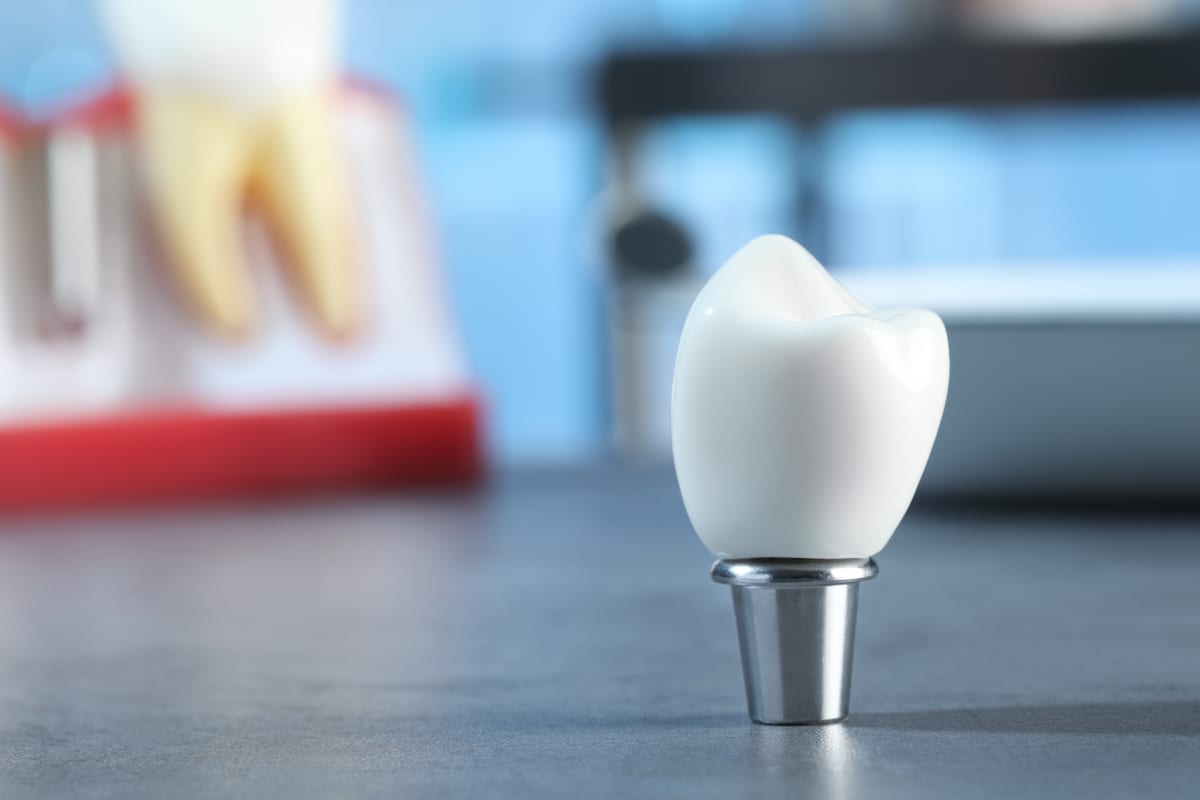
For slightly larger areas of decay, a dental crown may be recommended. Crowns fully cap the damaged tooth to restore strength and prevent further breakdown. They are an excellent option when a filling alone cannot adequately protect the tooth. Catching decay before it requires a crown — rather than a root canal — is still a significant win.
We also offer dental sealants as a preventive measure for patients who are prone to cavities. Sealants are applied to the biting surfaces of back teeth where decay most commonly begins. They create a smooth, protective barrier that is easy to clean. This simple treatment can prevent cavities from forming in the first place.
In some cases, patients also deal with jaw pain or grinding habits that contribute to enamel wear. Tmj Treatment Williams Lake addresses these underlying issues before they accelerate tooth damage. Treating the root cause protects both your teeth and your overall comfort.
Periodontal Health and Its Connection to Cavity Prevention
Healthy gums play a direct role in preventing cavities. When gum disease is present, the gum line recedes and exposes unprotected tooth roots. These exposed areas are far more vulnerable to decay than enamel-covered surfaces. Periodontal care and cavity prevention go hand in hand.
Our periodontal care services help Williams Lake patients maintain a healthy foundation for their teeth. Regular cleanings remove tartar buildup that irritates gum tissue. Patients with gum disease receive more frequent cleanings to keep the condition under control. Protecting your gums protects your teeth at the same time.
Some patients also ask about cosmetic concerns while addressing decay. Cosmetic Dentistry Williams Lake options can restore both the appearance and function of teeth affected by cavities. Healthy teeth can also be beautiful teeth — and our team helps you achieve both goals.
Your Prevention Plan Starts at Cariboo Choice Dental
Every patient in Williams Lake deserves a proactive approach to dental health. Waiting for pain to appear before booking an appointment is a strategy that consistently leads to more complex treatment. Our dental team is here to help you stay ahead of decay — not catch up to it.
We make preventive care comfortable, informative, and genuinely helpful. We take time to explain what we see during your exam and what it means for your long-term health. You leave every visit with a clear picture of your oral health status and a simple plan to maintain it. That kind of transparency builds trust and keeps patients coming back before problems escalate.
Don’t wait for a toothache to motivate your next dental visit. Early action is the most powerful tool you have against serious dental problems. Book Now to schedule your appointment with our team.
Frequently Asked Questions
How do I know if I have a small cavity?
Early cavities often have no symptoms at all. That’s why regular dental checkups are so important. Our dental team uses X-rays and visual exams to detect decay long before it causes pain. If you haven’t had a checkup in over six months, now is the ideal time to schedule one.
Can a cavity heal on its own without treatment?
Very early-stage enamel demineralisation can sometimes be reversed with fluoride and improved oral hygiene. However, once a cavity has formed a hole in the tooth structure, it cannot heal itself. Professional treatment is required to stop the decay from progressing. Waiting will only allow it to grow larger and deeper.
How often should I visit the dentist to prevent cavities from worsening?
Most patients benefit from a professional checkup and cleaning every six months. Patients with a history of frequent cavities or gum disease may need more frequent visits. Our dental team will recommend a schedule based on your individual oral health needs. Consistency is the most important factor in cavity prevention.
Are dental sealants only for children?
Dental sealants are most commonly applied to children’s permanent molars, but adults can also benefit from them. If you have deep grooves in your back teeth that are difficult to clean, sealants can provide meaningful protection. Our team can assess whether sealants are a good preventive option for you during your next visit.
What is the difference between a filling and a root canal?
A filling treats decay confined to the outer layers of the tooth — enamel and dentin. It is a quick, minimally invasive procedure. A root canal is required when decay has reached the tooth’s inner pulp, which contains nerves and blood vessels. Root canals involve removing the infected pulp, cleaning the canal, and sealing the tooth — a more involved and costly process that catching cavities early helps you avoid entirely.